Beyond the Hype: Tether Evo Forges Path for Durable Brain-Computer Interfaces
Tether Evo's latest research addresses a critical BCI hurdle: long-term stability. Discover how this innovation could unlock new possibilities for neural interf
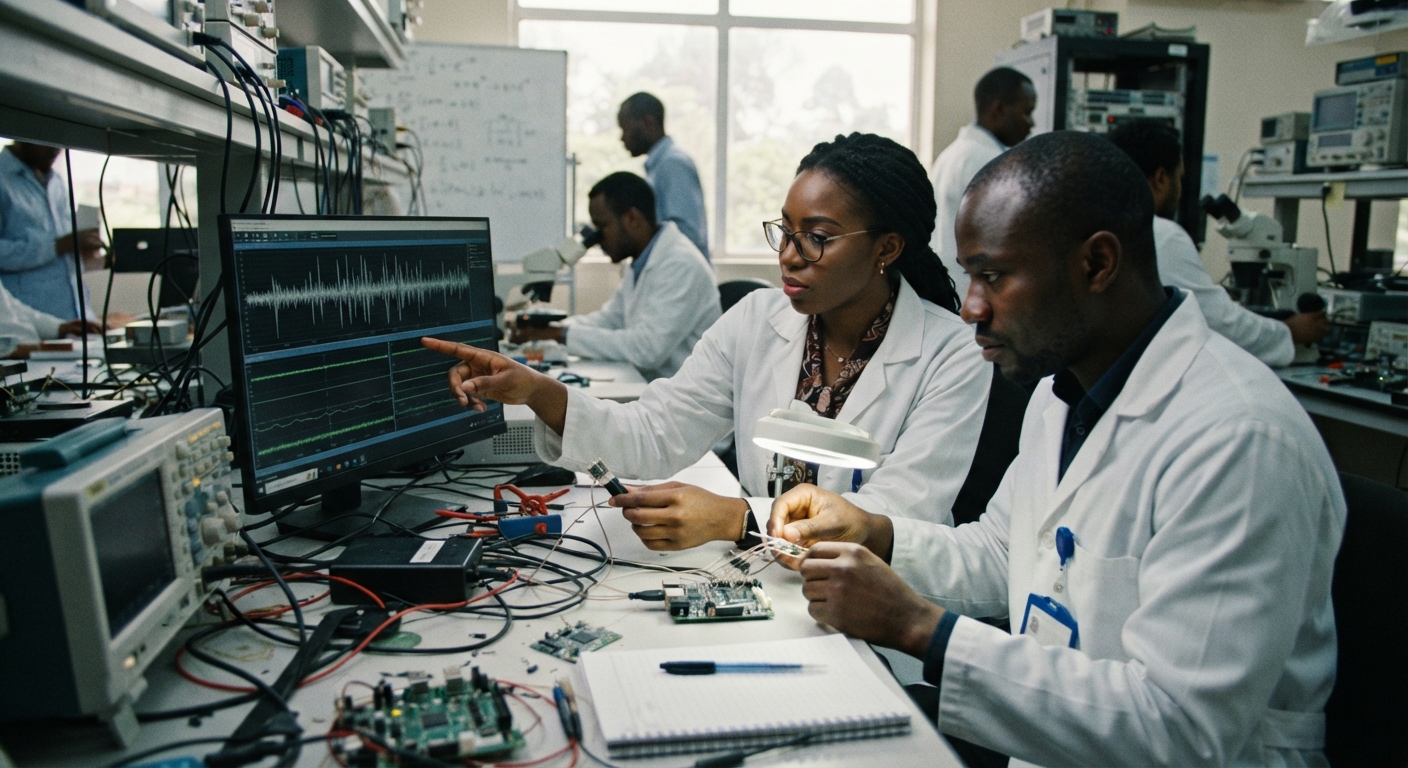
The promise of brain-computer interfaces (BCIs) – restoring movement, communication, and even enhancing human cognition – has long captured the imagination of researchers and investors. Yet, a persistent and formidable hurdle has stood in the way of widespread, long-term clinical application: the challenge of maintaining stable, high-fidelity neural connections over extended periods. This is precisely the frontier where deeptech innovator Tether Evo is making significant strides.
At the heart of the problem lies the body's natural response to foreign objects. Implanted BCI electrodes, while initially effective, often trigger an immune response, leading to chronic inflammation, scar tissue encapsulation (gliosis), and ultimately, a decline in signal quality. This biological reaction necessitates complex surgical interventions for replacement or adjustments, limiting the practical viability and safety of current BCI solutions.
Rethinking Neural Integration
Tether Evo's latest research zeroes in on this critical challenge, presenting a novel approach to significantly enhance the longevity and biocompatibility of implanted BCI systems. While specific details remain under wraps, insights suggest their innovation lies in a multi-pronged strategy. This likely combines advanced materials science – perhaps leveraging bio-integrative polymers or smart nanocoatings that actively mitigate immune response – with adaptive algorithmic intelligence. The goal is to create electrode arrays that don't just sit passively but dynamically adapt to the neural environment, minimizing tissue damage and preserving signal integrity for years, not just months.
Such a breakthrough moves BCIs from experimental marvels closer to reliable medical devices. Imagine individuals with severe paralysis regaining control of prosthetic limbs or communicating through thought for a decade or more, without constant concern over interface degradation. This would unlock a new era of neural prosthetics, significantly improving quality of life and expanding the scope of what BCIs can achieve in rehabilitative and assistive technology.
The Africa / Global Angle
For researchers, investors, and founders tracking Africa's deeptech long shots, Tether Evo's progress is particularly resonant. Africa faces a significant burden of neurological disorders and injuries, from stroke to spinal cord trauma, where advanced assistive technologies could be transformative. Developing BCI solutions that are not only effective but also durable and potentially more affordable reduces the lifetime cost and logistical burden of care, making them more feasible for emerging healthcare systems.
Furthermore, breakthroughs in BCI longevity could catalyze local innovation. African researchers could build upon stable neural platforms to develop context-specific applications, whether for managing prevalent conditions or for unique assistive needs. For investors, this signals a maturing deeptech sector ripe for impact investment, moving beyond foundational research to practical, enduring solutions. Companies like Tether Evo, by tackling core challenges, pave the way for a global BCI market where Africa can play a crucial role, both as a recipient of advanced care and a contributor to its development.
Source: Google News: neuroscience brain computer interface